Refractive
LASIK vs ICL: Two Very Different Routes to Less Glasses
One reshapes the cornea from outside; the other adds a lens inside the eye. How the decision actually gets made.
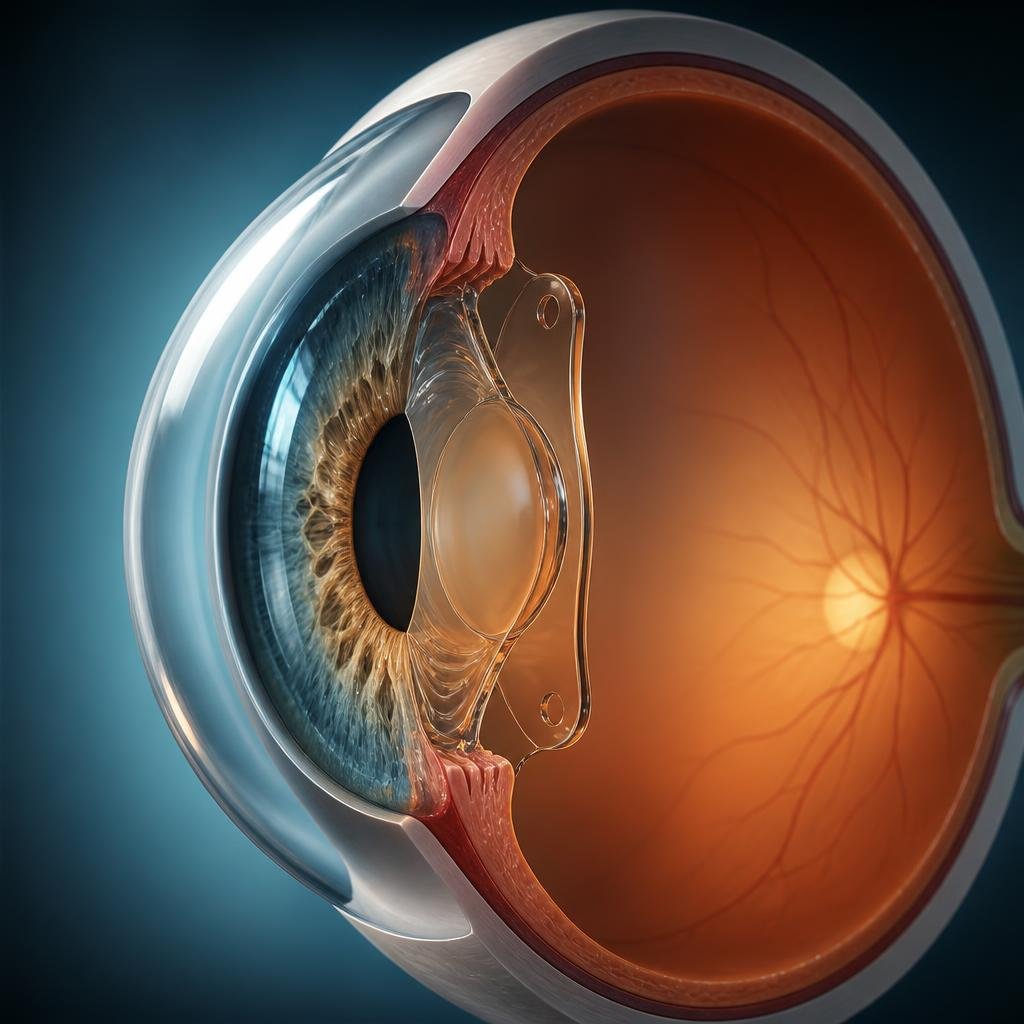
Different tools, different ceilings
LASIK (and its cousins SMILE and PRK) reshape the cornea — subtractive surgery with a tissue budget. The higher the prescription, the more tissue the correction consumes, and the thickness measurement sets a hard ceiling. ICL works from the opposite direction: it adds a precisely sized lens behind the iris, leaving the cornea untouched, which is why very high powers and thinner corneas often point toward ICL.
They are not competitors so much as adjacent tools with different jurisdictions. The measurement sheet — thickness, topography, internal space, power — usually narrows the field before preferences even enter the discussion.
The questions that actually decide
Is the prescription within the cornea’s safe tissue budget? Is the topography regular? Is there adequate space between the iris and the natural lens? Is the corneal endothelium healthy? Is the patient’s dry-eye status compatible with corneal surgery? Answer these, and the shortlist often writes itself.
What remains genuinely preferential: flap versus flap-free, reversibility (ICL is removable in principle), recovery speed, and lifestyle factors like contact sports. A good consultation presents the shortlist with trade-offs — then lets the patient choose without pressure.
Quick answers
Both are long-term. Age-related changes affect both equally; neither stops presbyopia in the 40s.
It carries a different risk profile, managed with specific measurements and annual reviews. For the eyes it is designed for, it is the safer overall route.
Moving from LASIK to ICL is possible; the reverse is generally not done. This asymmetry is part of counselling.